Understanding All on Four Complications: A Complete Guide for Better Dental Implant Outcomes
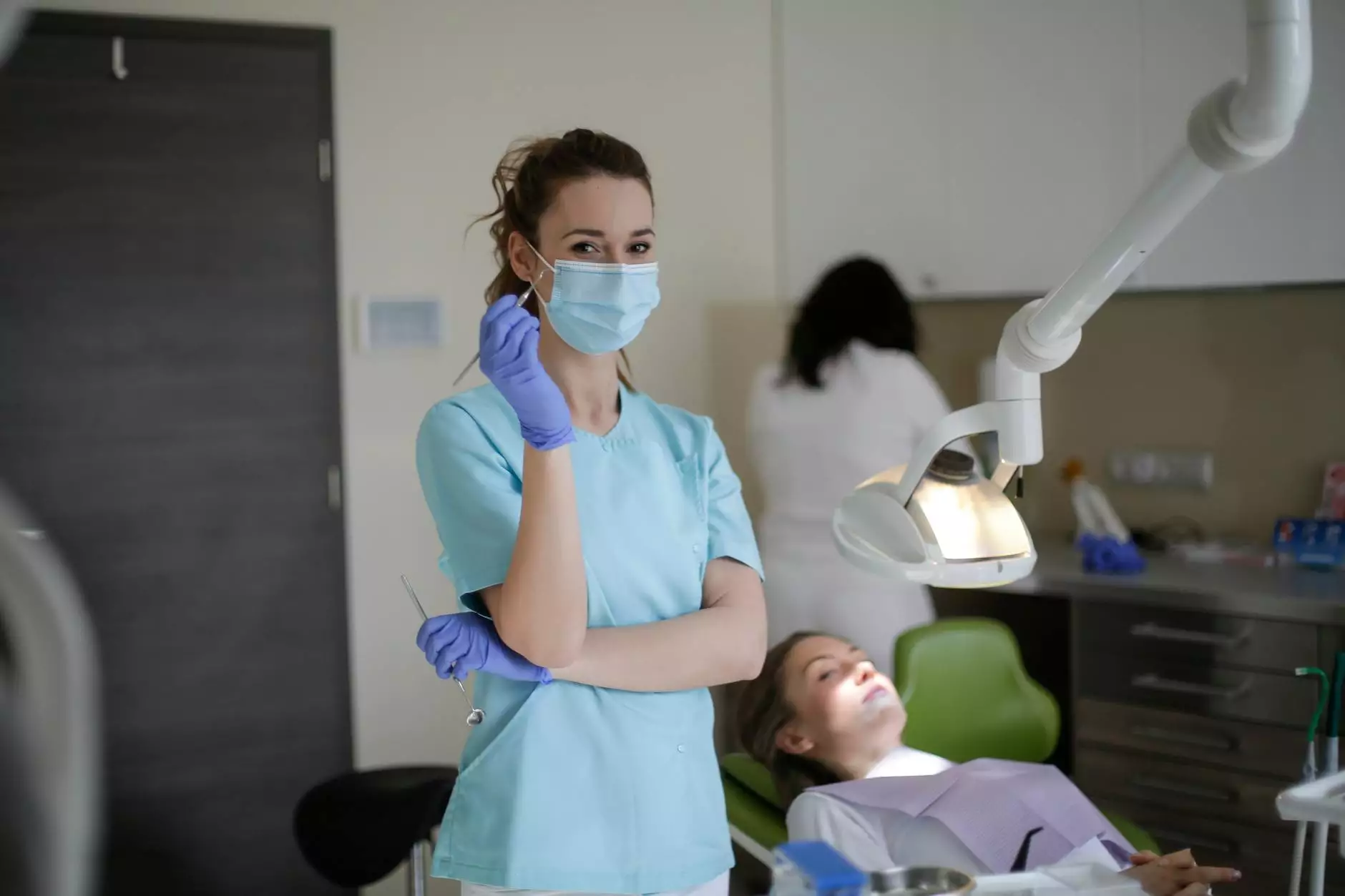
In the realm of modern dentistry, the 'All on Four' dental implant procedure has revolutionized the way dentists restore missing teeth. This innovative technique offers patients a durable and aesthetically pleasing solution with fewer implants, reduced treatment time, and improved overall comfort. However, like any complex medical procedure, it is not without potential challenges. One critical aspect for both patients and practitioners is understanding 'all on four complications'—what they are, how to recognize them, their causes, and strategies for effective prevention and management. This comprehensive guide provides vital insights into these issues, ensuring better outcomes, patient satisfaction, and long-term success of dental implants.
What is the 'All on Four' Dental Implant Technique?
The 'All on Four' technique is a prosthodontic procedure designed to restore a fully edentulous (toothless) arch using just four strategically placed dental implants. This approach utilizes the existing jawbone to support a fixed, full-arch prosthesis that can be installed in a single day in many cases. It offers numerous advantages over traditional dentures, including improved stability, increased biting force, and preservation of jawbone integrity.
Despite these benefits, the procedure’s complexity necessitates meticulous planning and execution—any missteps can lead to complications. Understanding these complications forms the cornerstone to ensuring longevity and functionality of the implant supported prosthesis.
Common 'all on four complications' Experienced in Dental Implantology
Although the 'All on Four' approach boasts high success rates, certain complications may occur over time if not properly addressed. These include:
- Implant Failure — Loss of osseointegration due to infection, poor bone quality, or overloading.
- Peri-implantitis — An inflammatory condition caused by bacterial invasion around the implant, leading to bone loss.
- Prosthetic Failures — Fractures or loosening of the prosthesis or its components.
- Bone Resorption — Deterioration of jawbone beneath the implants, compromising stability.
- Nerve or Sinus Involvement — Improper implant placement affecting nerve function or sinus health.
- Infection and Postoperative Pain — Due to surgical site contamination or trauma.
- Gum Recession and Aesthetics Issues — Affecting the appearance of the restored teeth and gums.
Factors Contributing to 'all on four complications'
Understanding the root causes of these complications aids in both prevention and effective management. The primary factors include:
- Poor Surgical Planning — Inadequate assessment of bone quality and quantity can lead to improper implant placement.
- Inadequate Surgical Technique — Insufficient training or experience increases risk of improperly angulated or fractured implants.
- Bone Quality and Quantity — Insufficient bone mandates grafting or alternative approaches, without which complications may arise.
- Patient-Related Factors — Smoking, uncontrolled diabetes, or poor oral hygiene can impair healing and osseointegration.
- Implant Design and Material — Use of substandard implants could contribute to failures.
- Prosthesis Design and Maintenance — Poorly fitting or neglected maintenance increases complication risks.
Strategies for 'all on four complications' Prevention
Prevention of complications primarily involves comprehensive planning, meticulous surgical execution, patient management, and maintenance. Here are key strategies:
1. Thorough Preoperative Assessment
Detailed medical and dental history, imaging studies like CBCT scans, and bone density evaluations help determine the suitability of the 'All on Four' approach. Advanced imaging allows for precise planning of implant positions to avoid nerve injury and sinus problems.
2. Customized Treatment Planning
Utilize digital dentistry and computer-aided design (CAD) technology for treatment planning. Virtual simulation ensures optimal implant angulation, depth, and prosthesis design, reducing the risk of improper placement-related complications.
3. Skilled Surgical Execution
Only experienced implant dentists or oral surgeons should perform these procedures. Proper surgical techniques, sterile environment maintenance, and cautious handling of tissues are essential to promote osseointegration and minimize trauma.
4. Adequate Postoperative Care and Monitoring
Proper patient instructions, medication schedules, and regular follow-ups help catch early complications, control infections, and ensure healing proceeds smoothly.
5. Emphasizing Oral Hygiene and Lifestyle Modifications
Patients should be educated about maintaining excellent oral hygiene practices and avoiding smoking or risky behaviors that impair healing.
6. Use of High-Quality Implants and Prosthetic Components
Employing reputable, durable materials minimizes material-related failures and enhances longevity.
7. Long-term Maintenance and Follow-up
Routine dental visits, professional cleanings, and periodic radiographs to assess bone levels are critical to detect early signs of complications such as peri-implantitis.
Effective Management of 'all on four complications'
Despite rigorous prevention, some issues may occur, and timely intervention is crucial. Below are approaches to manage common 'all on four complications' effectively:
1. Addressing Implant Failure
If an implant fails to osseointegrate or becomes loose, removal and possible re-implantation may be necessary. Bone grafting or sinus lifts can be considered if bone deficiency is a contributing factor.
2. Managing Peri-implantitis
Local debridement, antibacterial treatment, and improved oral hygiene are first-line responses. In advanced cases, surgical intervention to regenerate lost bone and tissues might be indicated.
3. Fixing Prosthetic Failures
Cracked, fractured, or loose prostheses are repaired or replaced. Periodic adjustments ensure proper fit and function.
4. Controlling Bone Resorption
Early detection allows for interventions such as bone grafting or modifying occlusal forces to prevent further loss.
5. Addressing Nerve or Sinus Complications
Implants impinging on nerves require careful repositioning or removal. Sinus perforation management often involves sinus lifts, grafting, or repositioning of implants.
6. Managing Gingival and Aesthetic Concerns
Soft tissue grafting or aesthetic restoration can resolve gum recession and improve appearance.
The Role of Postoperative Follow-up and Patient Education
Ongoing patient education is vital. Patients should understand that implant success depends not only on the procedure but also on their commitment to maintenance and follow-up care. Routine clinical evaluation, professional cleaning, and radiographs are essential to detect early signs of complications and address them promptly.
Choosing a Reliable Dental Provider for 'All on Four' Procedures
To minimize 'all on four complications', select a dental provider with proven expertise in implant dentistry. Look for:
- Extensive experience in full-arch implant restorations
- Use of advanced imaging and digital planning technology
- Successful track record and positive patient reviews
- Availability of comprehensive postoperative support
- Advanced training and continuous education in implantology
Conclusion: Achieving Long-term Success with 'All on Four'
While the 'All on Four' dental implant technique offers remarkable benefits, being aware of potential 'all on four complications' is critical to ensuring optimal results. Emphasizing meticulous planning, skilled execution, diligent maintenance, and prompt management can significantly reduce risks and enhance the longevity and aesthetics of the final restoration.
At Regency House Dental, our team of experienced dental professionals is dedicated to providing tailored, high-quality implant solutions. We prioritize patient education, comfort, and long-term success to help you achieve a healthy, confident smile that lasts a lifetime.
If you're considering 'All on Four' or facing concerns about implant complications, contact us today to schedule a consultation and learn how we can help you restore your smile with precision and care.


