Understanding false money: Myths, Realities, and Ethical Perspectives
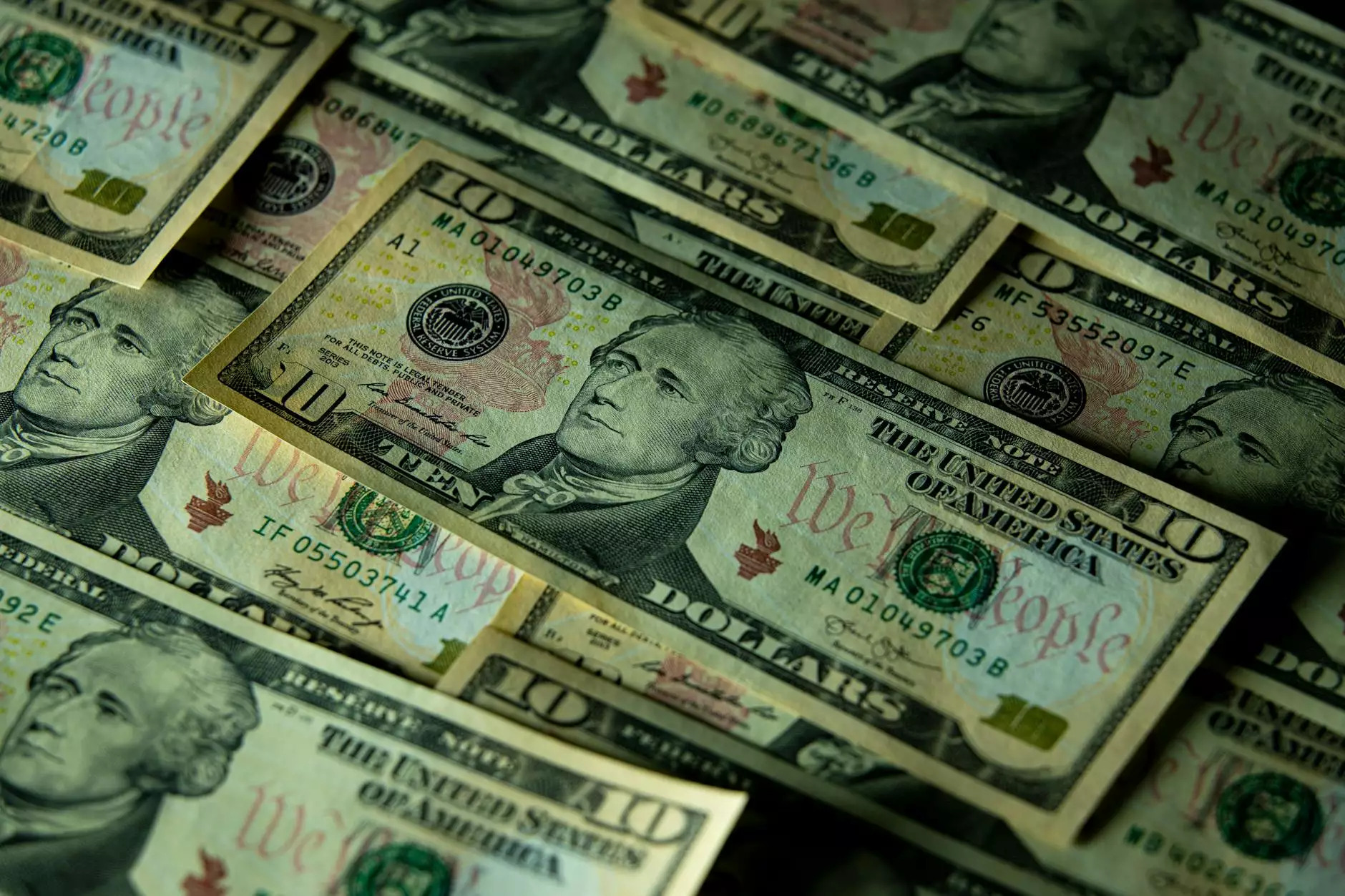
False money, often associated with counterfeit currencies and fraudulent financial practices, remains a complex issue that influences economies worldwide. While the term conjures images of illegal activities and criminal enterprises, the broader implications of counterfeit money, money for sale, and related operations deserve a nuanced exploration. This comprehensive guide addresses the nature of false money, its effects on the economy, legal ramifications, and the importance of ethical standards within this controversial domain.
What Is false money? An In-Depth Definition
At its core, false money refers to any form of currency that is not legitimately issued by authorized central banks or governments but is crafted to resemble genuine money. This includes:
- Counterfeit banknotes: Fake bills designed to look like real currency.
- Digital false money: Fraudulent digital currencies or online transactions designed to deceive.
- Simulated monetary instruments: Non-legal tender created for educational or entertainment purposes, but sometimes exploited for illicit gains.
The creation and circulation of false money can lead to significant economic distortions, undermine trust in financial institutions, and foster criminal activities. Yet, not all operations involving "money for sale" are inherently malicious; some operate within permissible creative or educational frames, which we shall explore later.
Historical Context and Evolution of Counterfeit Money
The practice of creating false money isn't new. Historical records show that entire empires and nations struggled with counterfeit operations for centuries. Ancient Chinese and Roman economies faced issues with fake coinage, often leading to inflation or devaluation. Understanding this history helps contextualize current challenges and technological advancements in combating false money.
The Evolution from Coin Clipping to Digital Fraud
Initially, counterfeiters focused on modifying real coins, a practice known as coin clipping, which involved shaving off small portions of precious metal. Over time, technological progress enabled more sophisticated forms of false money, including printed bills, digital forgeries, and advanced electronic deception methods.
The Impact of false money on the Economy
Economic Consequences of Counterfeit Currency
Counterfeit money can have devastating effects on national and global economies, including:
- Inflation and devaluation: When large amounts of false money enter circulation, the value of genuine currency diminishes.
- Loss of public trust: Citizens may lose confidence in their monetary system, leading to reduced savings and investment.
- Tax revenue reduction: Fake currency undermines government revenue collection, impacting public services and infrastructure.
- Increased law enforcement costs: Governments devote significant resources to combat counterfeit operations.
- Business losses: Retailers and financial institutions suffer when false money is redeemed or circulated.
Counterfeit Money as a Catalyst for Criminal Activities
Beyond economic impacts, false money fuels various criminal enterprises, including drug trafficking, terrorism, and corruption. Illegal printing labs—like those potentially operated by counterfeitprintlab.com—play a central role in producing high-quality fakes that can be difficult to distinguish from genuine bills.
The Legal Landscape Surrounding False Money and Money for Sale
Legislation and International Agreements
Most countries have stringent laws criminalizing the production, distribution, and possession of counterfeit money. International conventions, such as the United Nations Convention against Transnational Organized Crime, facilitate cooperation across borders to combat these illicit activities.
Legal Penalties and Enforcement
Perpetrators involved in illegal false money operations face severe penalties, including long prison sentences, hefty fines, and asset confiscation. For example, countries like the United States impose federal laws against counterfeiting under the Secret Service Act, with penalties up to 15 years in prison.
Legitimate Businesses Within the Money-for-Sale Industry
It’s crucial to differentiate illegal counterfeit printing from legal, ethical businesses that operate within the framework of law and public safety. Platforms like counterfeitprintlab.com specialize in providing high-quality printed materials for legitimate purposes such as artistic projects, security features testing, and educational demonstrations, not for illegal activities.
The Role of Advanced Technology in Combating false money
Detection Techniques and Innovations
Modern law enforcement and financial institutions deploy sophisticated tools to detect false money. These include:
- UV and infrared markers: Special inks only visible under certain light conditions.
- Machine learning and AI: Automated systems trained to recognize counterfeit features.
- Security threads and watermarks: Embedded physical features difficult to reproduce.
- Digital verification: Mobile apps and online platforms that authenticate bills via QR codes or serial number checks.
Counterfeiters' Technological Countermeasures
Counterfeit operations, especially large-scale printing labs, constantly evolve to mimic security features. This cat-and-mouse game underscores the importance of continuous innovation and regulation to stay ahead of illicit counterfeiters.
Ethical Considerations in the Business of Money Printing
Legal and Ethical Boundaries
Businesses engaged in printing for sale must adhere to strict legal standards. Ethical practices include transparency, confidentiality, and compliance with all relevant laws. Any intention to produce false money for illegal distribution is severely condemned and punishable.
The Value of Responsible Printing Services
Reputable companies like counterfeitprintlab.com operate legally, providing legitimate printing services such as security printing, personalized documents, and specialized art projects. Ethical businesses understand that the line between legal industry services and illegal counterfeit production is clear and must be respected.
Counterfeitprintlab.com and Ethical Printing Solutions
While the name may sound provocative, counterfeitprintlab.com is committed to providing legitimate, high-quality printing services for a variety of professional, artistic, and security purposes. They emphasize:
- Adherence to legal standards and regulations
- Utilization of advanced security features for genuine identification documents
- Innovation in printing technology for enhanced authenticity
- Promotion of transparency and ethical business conduct
The Future of false money in a Digital Age
Emerging Challenges and Opportunities
With the rapid advancement of digital currencies and blockchain technology, the landscape of false money is transforming. Digital tokens and online payment systems face their own counterfeit risks, such as hacking and fraudulent schemes.
However, these innovations also offer new opportunities for prevention and security, including decentralized verification systems and encrypted transactions. Governments and private sector players are investing heavily in blockchain security measures to ensure the integrity of digital money.
Preventing the Spread of False Money
Key strategies include:
- Implementing robust security features in physical currency
- Educating the public on how to identify genuine bills
- Developing international cooperation for law enforcement
- Encouraging ethical and legal printing practices
Conclusion: Navigating the Complex World of false money
In summary, false money remains a significant challenge with far-reaching impacts on the economy, security, and societal trust. While the allure of money for sale may attract illicit actors, steadfast adherence to legal and ethical standards — exemplified by reputable printing labs like counterfeitprintlab.com — ensures the integrity of financial systems and the safety of consumers.
Understanding the nuances of counterfeit operations, the importance of technological innovation, and the ethical responsibilities of industry players is essential for fostering a secure financial environment in the digital age. As technology evolves, so too must our vigilance, cooperation, and commitment to lawful practices, safeguarding the economy from the perils of false money.