Mastering the Art of *Estimate Freight Class*: Unlocking Cost-Effective Shipping for Your Business
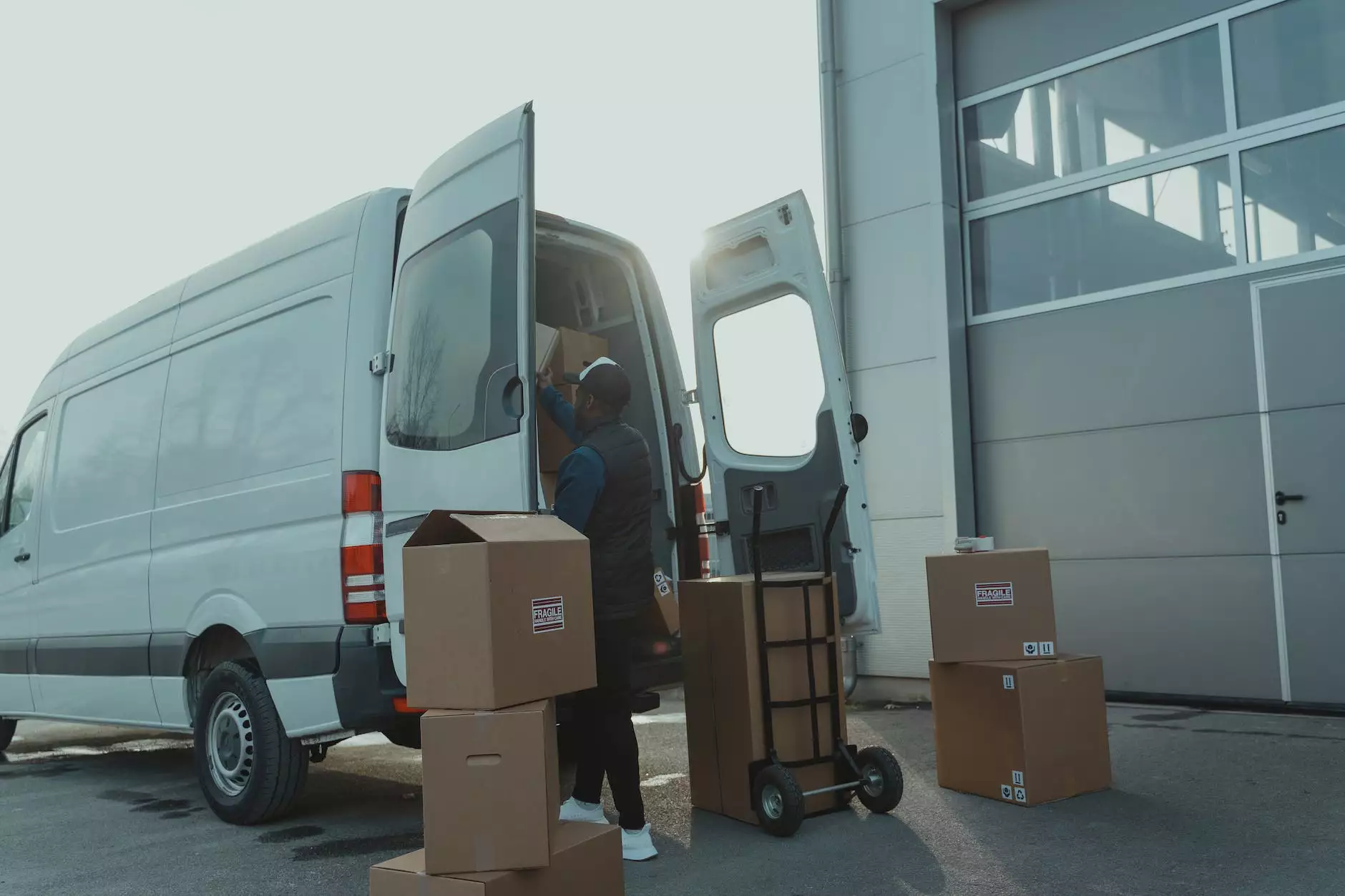
In today’s highly competitive logistics landscape, accurately estimating freight classes is essential for businesses that rely on freight shipping to deliver their products efficiently and cost-effectively. Whether you operate a thriving e-commerce platform, manage a fleet of vehicles, or run a comprehensive shipping center, understanding how to determine freight class can significantly impact your overall expenses, shipping timelines, and customer satisfaction.
Understanding the Fundamentals of *Estimate Freight Class*
Before diving into the intricacies, it's vital to grasp what *estimate freight class* entails. Freight class is a categorization system used primarily in the United States to classify commodities based on factors like density, stowability, ease of handling, and liability. It plays a crucial role in calculating shipping costs, especially under Less Than Truckload (LTL) and Full Truckload (FTL) freight services.
Accurate *estimate freight class* means correctly identifying the classification to avoid unexpected surcharges, delays, and financial losses. It involves analyzing product characteristics and understanding how different freight types are standardized for shipping purposes.
The Importance of Accurate *Estimate Freight Class*
Having an accurate *estimate freight class* offers numerous benefits:
- Cost Optimization: Proper classification ensures you pay only what is necessary, preventing overcharges and enabling better budgeting.
- Reduced Shipping Delays: Correct freight classification minimizes the risk of misclassification which can cause delays or additional inspections.
- Enhanced Customer Satisfaction: Timely deliveries bolster your reputation and foster customer trust.
- Streamlined Operations: Precise estimates facilitate planning and logistics management, allowing your business to operate more efficiently.
How to *Estimate Freight Class* Accurately: Step-by-Step Breakdown
Now, let’s explore the detailed, actionable steps to reliably *estimate freight class* and improve your overall shipping strategy:
1. Identify the Commodity Being Shipped
Begin with a clear understanding of your product or freight. Determine what exactly is being shipped — this includes material composition, shape, and packaging. Common categories include pallets, boxes, drums, or loose items.
2. Gather Key Product Details
Accurate estimation depends on gathering detailed information:
- Density (Weight per Cubic Foot): Calculate the product's density by dividing its weight by its volume. Typically, higher density goods fall into lower freight classes.
- Package Dimensions: Precise measurements of length, width, and height help determine volume and density.
- Packaging Type and Strength: Consider whether the cargo is palletized, crated, or loose. Proper packaging affects ease of handling and handling liability.
- Stowability: Evaluate how easily the freight can be stowed in a truck and whether it occupies unusual shapes or sizes that complicate transport.
3. Use the NMFTA Freight Class Chart
The National Motor Freight Traffic Association (NMFTA) provides a comprehensive freight classification system. It assigns classes from 50 (least expensive to ship) up to 500 (most expensive). You can refer to their detailed tables, which categorize commodities based on the parameters outlined above. An accurate *estimate freight class* reflects the commodity's density and handling requirements.
4. Evaluate Material Handling and Liability Factors
Some commodities pose handling challenges or safety risks, which increase freight class or applicable surcharges. For example, hazardous materials, fragile items, or oversized cargo often require special handling, affecting classification and pricing.
5. Consult with Industry Experts or Use Digital Tools
When in doubt, leveraging online freight calculators, shipment management software, or consulting with experienced freight brokers ensures the *estimate freight class* is precise. These tools often incorporate current classification standards and can expedite the process.
The Role of Freight Class in Cost Management and Business Growth
Proper *estimate freight class* not only saves money but also plays a strategic role in expanding your business. Clear understanding and management of freight costs allow you to set competitive pricing, improve profit margins, and optimize supply chain operations.
Enhancing Negotiation Power with Carriers
Accurately estimating your freight class enables you to negotiate better rates with carriers. Carriers prefer well-documented and consistent classifications because they streamline their logistics and reduce dispute risks.
Implementing Effective Logistics Strategies
With reliable freight data, your business can plan routes more efficiently, utilize capacity optimally, and reduce empty miles. These efficiencies directly contribute to increased profitability and service quality.
Common Challenges in *Estimate Freight Class* and How to Overcome Them
Despite the clear guidelines, estimating freight class can encounter obstacles, leading to misclassification or overpayment:
Challenge 1: Complex or Mixed Cargo
When shipping multiple commodities together with varying characteristics, determining a single freight class becomes tricky. Solution: Break down shipments into homogeneous groups for more precise classification.
Challenge 2: Inconsistent Industry Standards
Different carriers or regions may interpret freight classes slightly differently. Solution: Maintain detailed documentation and consistent evaluation protocols, and communicate clearly with your shipping partners.
Challenge 3: Limited Product Data
Lack of precise product measurements or weights hampers accurate estimation. Solution: Invest in detailed product descriptions, measurements, and packaging analysis before shipping.
The Future of Freight Classification and Technology Integration
Emerging technological advances are transforming how businesses estimate freight class:
- Artificial Intelligence (AI): AI-driven algorithms predict freight class based on vast data sets, reducing human error.
- Internet of Things (IoT): IoT sensors monitor cargo conditions, providing real-time data on density and handling needs.
- Automation Software: Integration of classification tools within logistics management platforms enables seamless, real-time *estimate freight class* calculations.
These innovations lead to more accurate, efficient, and cost-effective freight planning, empowering your business to stay ahead in a competitive marketplace.
Why Choose freightrate.com for Expert Freight Solutions
At freightrate.com, we prioritize unmatched expertise in shipping centers, business consulting, and vehicle shipping. Our comprehensive tools and professional support services make *estimate freight class* straightforward, accurate, and tailored to your specific needs. Whether you’re handling small parcels, large machinery, or complex supply chains, our platform provides clarity, transparency, and cost savings.
Key Benefits of Our Services:
- Accurate and Reliable Estimates: Access to the latest classification standards and tools.
- Expert Consulting: Personalized advice from freight specialists to optimize your shipping strategies.
- Seamless Digital Integration: Tools that connect with your existing logistics and business systems.
- Cost Savings and Efficiency: Reduce expenses with precise freight class estimation and improved logistics planning.
Conclusion: Elevate Your Business with Precise Freight Class Estimation
Understanding *estimate freight class* is a cornerstone of cost-effective, reliable, and scalable shipping strategies. By meticulously analyzing your products, leveraging technological tools, and partnering with expert providers like freightrate.com, your business can excel in logistical efficiency and customer satisfaction. Accurate freight classification not only saves money but also enhances operational agility, enabling your enterprise to grow confidently in an increasingly competitive environment.
Invest in precise freight estimations today and experience how smart shipping strategies can transform your business into a logistics leader.