Salpingo Oophorectomy Surgery: A Complete Guide to Nature and Nurture of Women's Reproductive Health
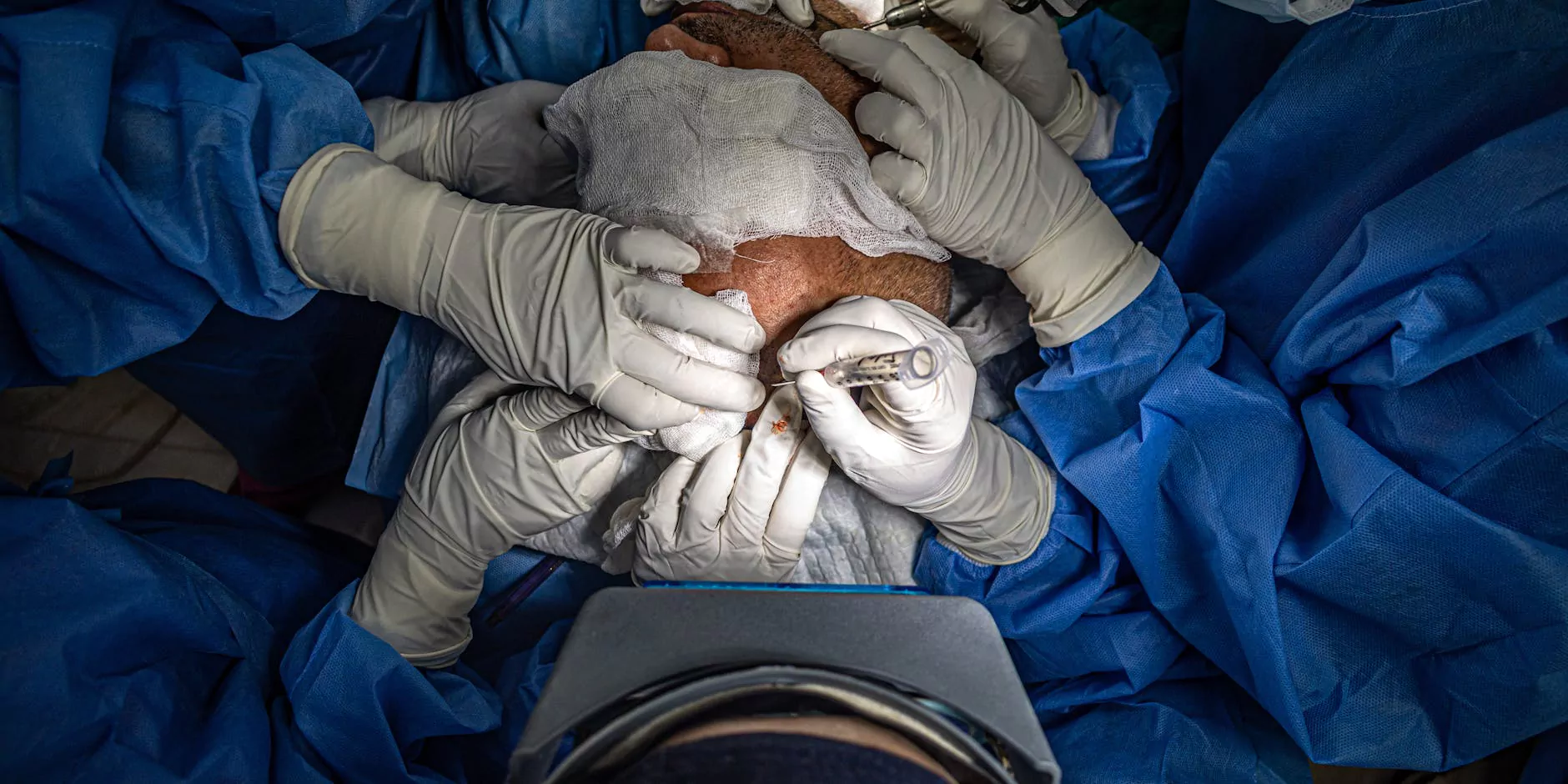
In the realm of obstetrics and gynecology, salpingo oophorectomy surgery stands out as a vital procedure that addresses a variety of gynecological health issues. Performed by expert obstetricians and gynecologists, this surgery plays a crucial role in managing ovarian, fallopian tube, and related gynecologic conditions. In this comprehensive guide, we explore the intricacies of salpingo oophorectomy surgery, its indications, procedure details, benefits, risks, and the vital role of specialized medical professionals in ensuring optimal outcomes.
Understanding Salpingo Oophorectomy Surgery: Definition and Scope
Salpingo oophorectomy is a surgical procedure involving the removal of one or both ovaries and fallopian tubes. The term combines 'salpingo' (fallopian tubes) and 'oophorectomy' (ovary removal), reflecting the dual nature of the surgery. This intervention can be performed unilaterally (on one side) or bilaterally (on both sides), depending on the patient's condition.
The surgery is most often recommended by obstetricians and gynecologists when addressing ovarian cysts, ectopic pregnancies, ovarian cancer, or other gynecological diseases that threaten a woman’s health and reproductive function.
Indications for Salpingo Oophorectomy: Why Is It Recommended?
The decision to undergo salpingo oophorectomy surgery is based on specific medical indications. Some of the primary reasons include:
- Ovarian cancer or high suspicion of malignancy: Removal of diseased or at-risk tissues to prevent the progression of cancer.
- Benign ovarian cysts: Large, persistent, or symptomatic cysts that do not resolve with conservative treatment.
- Ectopic pregnancy: When fertilization occurs outside the uterus, often involving fallopian tubes, necessitating their removal.
- Pelvic inflammatory disease (PID): Chronic infections impacting the fallopian tubes or ovaries that threaten health.
- Genetic predispositions: Women with BRCA gene mutations or a family history of ovarian or breast cancer may opt for preventive salpingo oophorectomy to reduce cancer risk.
- Torsion of ovarian cysts: Twisting of the ovary or fallopian tube causing severe pain and tissue compromise.
The Salpingo Oophorectomy Procedure: Step-by-Step Overview
Understanding the procedural aspects of salpingo oophorectomy surgery is essential for patients and healthcare providers. The surgery can be performed via various approaches, including laparotomy (open surgery), laparoscopy (minimally invasive), or robotic-assisted techniques.
Laparoscopic Salpingo Oophorectomy: A Modern Approach
This minimally invasive procedure involves small incisions through which a camera and specialized surgical instruments are inserted. It offers several advantages—less postoperative pain, shorter hospital stays, and quicker recovery times.
- Anesthesia: The patient is administered general anesthesia for comfort and safety.
- Access creation: Small incisions are made in the lower abdomen to insert the laparoscope and surgical tools.
- Visualization and assessment: The surgeon visualizes the pelvic organs and confirms the diseased tissues.
- Detachment: The targeted ovary and fallopian tube are carefully dissected from surrounding tissues, preserving vital structures.
- Removal: The removal is facilitated with special specimen retrieval bags to prevent spillage.
- Closure: Incisions are closed with absorbable sutures or surgical adhesives.
Open Surgery (Laparotomy): When Is It Necessary?
In cases involving large tumors, extensive disease, or when minimally invasive options are contraindicated, open surgery may be performed. It involves a larger incision in the abdomen, providing direct access to pelvic organs.
Recovery and Postoperative Care: A Smooth Transition to Normal Life
Postoperative recovery after salpingo oophorectomy surgery varies but generally includes:
- Hospital stay of 1-2 days for minimally invasive procedures; longer for open surgeries
- Management of pain with prescribed medications
- Limitations on heavy lifting and strenuous activity for at least two weeks
- Monitoring for signs of infection, bleeding, or other complications
- Follow-up appointments with your obstetrician or gynecologist to assess healing and address concerns
Potential Benefits of Salpingo Oophorectomy Surgery
While the decision for surgery is patient-specific, salpingo oophorectomy offers multiple benefits, including:
- Reduction of ovarian cancer risk: Especially in high-risk women with genetic predispositions
- Relief from chronic pelvic pain: Due to ovarian cysts or inflammation
- Minimization of ectopic pregnancy risks: When fallopian tubes are diseased or damaged
- Management of benign tumors: Such as cystadenomas or endometriomas
- Potentially life-saving intervention: In malignancies or severe infections
Risks and Considerations: Ensuring Safe Surgical Outcomes
As with any surgical procedure, salpingo oophorectomy carries potential risks, including:
- Infection at the incision site or internally
- Bleeding during or after surgery
- Damage to adjacent organs such as the bladder or intestines
- Adverse reactions to anesthesia
- Early menopause if both ovaries are removed, leading to hormonal changes
- Psychological impact related to loss of reproductive organs
Consultation with experienced obstetricians & gynecologists is vital to weigh benefits against risks, especially for women considering preventive surgery or with genetic cancer risk factors.
Role of Expert Obstetricians & Gynecologists in Salpingo Oophorectomy Surgery
The expertise of specialized obstetricians and gynecologists is paramount in planning, executing, and managing salpingo oophorectomy surgery. These professionals ensure:
- Accurate diagnosis through advanced imaging and assessments
- Thorough preoperative counseling and informed consent
- Use of state-of-the-art surgical techniques to minimize complications
- Comprehensive postoperative care and long-term health monitoring
- Guidance on hormonal replacement therapy if necessary after ovarian removal
Choosing the Right Medical Center for Salpingo Oophorectomy Surgery
For optimal outcomes, selecting a healthcare facility with an experienced team of gynecologic surgeons is essential. Look for centers that offer:
- Modern laparoscopic and robotic surgical options
- Comprehensive diagnostic and preoperative evaluation
- Multidisciplinary approach including genetic counseling, oncology, and reproductive health services
- High patient satisfaction rates and quality assurance protocols
Empowering Women Through Knowledge and Healthcare
Educating women about salpingo oophorectomy surgery and its implications can foster informed decision-making. As awareness increases, women can proactively engage with healthcare providers, especially in high-risk cases concerning ovarian cancer or familial predispositions.
Conclusion: A Pathway to Improved Women’s Health
The advancements in surgical techniques, combined with the expertise of dedicated obstetricians and gynecologists, have made salpingo oophorectomy surgery a safe and effective option for many women facing serious gynecological conditions. Whether for preventive, diagnostic, or therapeutic purposes, this procedure offers significant benefits and can dramatically improve a woman’s quality of life when performed in suitable candidates and managed meticulously.
If you are considering salpingo oophorectomy surgery or wish to explore your options, consult with specialized doctors at Dr. Seckin’s Practice, renowned for excellence in obstetrics, gynecology, and minimally invasive surgical techniques.
Empower yourself with knowledge, trust expert care, and take the first step toward better reproductive health today.