Corn Weevil Control: Comprehensive Guide for Farmers
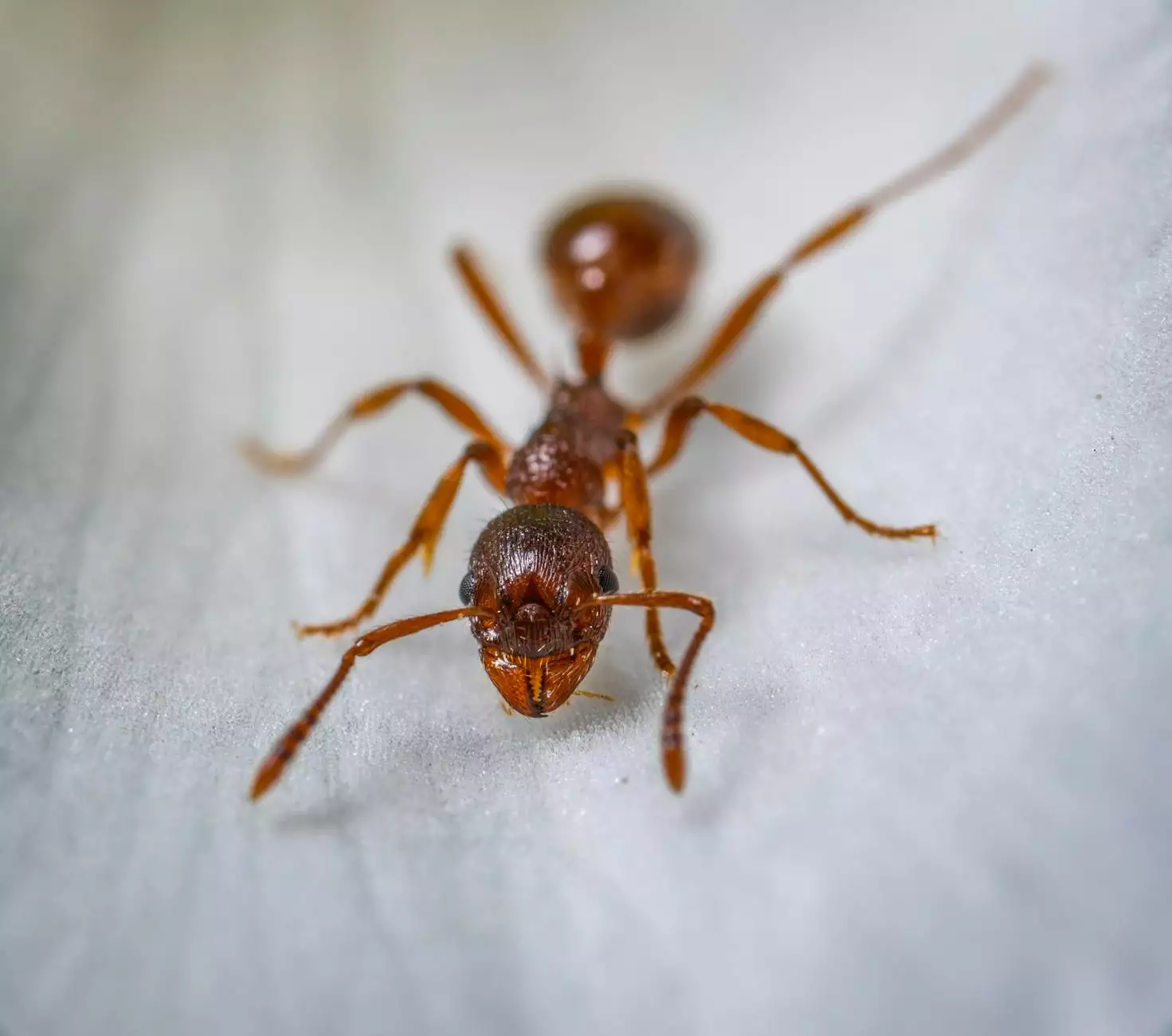
The farming community faces numerous challenges, and corn weevils pose a significant threat to grain integrity. This article offers an in-depth look at corn weevil control, providing farmers with the essential tools and knowledge to safeguard their crops effectively.
Understanding Corn Weevils
Corn weevils, scientifically known as *Sitophilus zeamais*, are small, dark beetles that primarily feed on maize and other grains. These pests are known for deteriorating the quality of grain, leading to significant losses for farmers. Understanding their lifecycle, behavior, and impact on your crop is crucial for effective control.
Lifecycle of Corn Weevils
The lifecycle of corn weevils consists of four stages: egg, larva, pupa, and adult. The entire process can take place in a matter of weeks, especially in favorable conditions.
- Egg Stage: A female corn weevil lays approximately 200 eggs inside or on the grain.
- Larval Stage: After a few days, the eggs hatch into larvae that bore into the grain, consuming it as they grow.
- Pupal Stage: Once they mature, larvae pupate inside the grain before emerging as adults.
- Adult Stage: Adult weevils can live for several months, continuing the cycle by laying more eggs.
Identifying Corn Weevil Infestations
Early detection is vital in managing corn weevil infestations effectively. Farmers should look for specific signs that may indicate the presence of these pests:
- Holes in Grains: Small puncture wounds on grains are a telltale sign of weevil activity.
- Powdery Residue: Fine dust or flour around infested grains suggests that larvae are boring into the grains.
- Mature Weevils: The adult weevils measure about 3-5 mm in length and can often be seen crawling on stored grains.
Preventing Corn Weevil Infestations
Prevention is the first line of defense against corn weevil infestations. Here are several effective strategies to minimize the risk of an outbreak:
1. Proper Grain Storage
Grain should be stored in sealed containers or silos that can prevent the entry of pests. Maintaining a cool, dry environment is essential, as moisture can foster infestations.
2. Regular Inspection
Schedule regular inspections of stored grains to identify any signs of pests early. Implementing a monitoring program can help in spotting infestations before they escalate.
3. Cleaning Storage Areas
Ensure that storage facilities are cleaned and free from leftover grains or debris that could attract weevils. A thorough cleaning helps eliminate any potential breeding grounds.
Effective Corn Weevil Control Methods
If corn weevils are detected, prompt action is required to manage the infestation. Below are some of the most effective corn weevil control methods:
1. Chemical Control
Insecticides specifically labeled for corn weevil control can be applied both to the grain prior to storage and directly to infested areas. It’s essential to follow the label instructions carefully to ensure safety and effectiveness. Common active ingredients include:
- Pyrethroids: Effective against adult weevils.
- Neonicotinoids: Target larvae and prevent development.
2. Biological Control
Employing natural predators of corn weevils, such as certain parasitoids, can help manage populations without the use of chemicals. Releasing these natural enemies can provide sustained control.
3. Temperature Treatment
Exposure to extreme temperatures can be an effective method of corn weevil control. Heating grains to temperatures above 120°F (49°C) for several hours can kill both weevils and their eggs. Alternatively, freezing grains at -10°F (-23°C) for at least a week can also be effective.
4. Fumigation
For severe infestations, fumigation may be necessary. This method involves using gas to penetrate stored grains and eliminate pests. Fumigation should be performed by certified professionals to ensure safety and compliance with regulations.
Integrating Control Measures
Combining different control strategies creates an integrated pest management (IPM) approach. This method minimizes reliance on chemical treatments and enhances overall effectiveness. Consider the following:
- Implement a robust monitoring system to track pest populations.
- Rotate control methods to prevent resistance development.
- Train farm staff on pest detection and management techniques.
The Role of Technology in Corn Weevil Control
Advancements in technology are significantly improving corn weevil control methods. The use of smart storage systems equipped with sensors can help monitor conditions in real-time, allowing for immediate intervention when necessary.
Moreover, agricultural drones can assist in identifying pest infestations across large fields, providing farmers with precise information about their crops' health and pest pressure.
Educating Farmers about Corn Weevil Control
Education and awareness are key components in the fight against corn weevil infestations. Farmers should stay informed about the latest research and trends in pest management through workshops, webinars, and agricultural extension services.
Joining local farming cooperatives can provide additional support by sharing knowledge and resources related to corn weevil control strategies.
Conclusion
In conclusion, managing corn weevils and ensuring effective corn weevil control is essential for maintaining the quality of your harvest and the sustainability of your farming operation. By adopting a comprehensive approach that includes prevention, early detection, and an integrated pest management strategy, farmers can secure their crops against these destructive pests.
For farmers looking for expert advice and resources, TSGC Inc. is committed to providing access to the best solutions and support in farm equipment repair and farming equipment to optimize your operations and ensure long-term success.