Understanding Counterfeit Canadian Money: Implications for Business
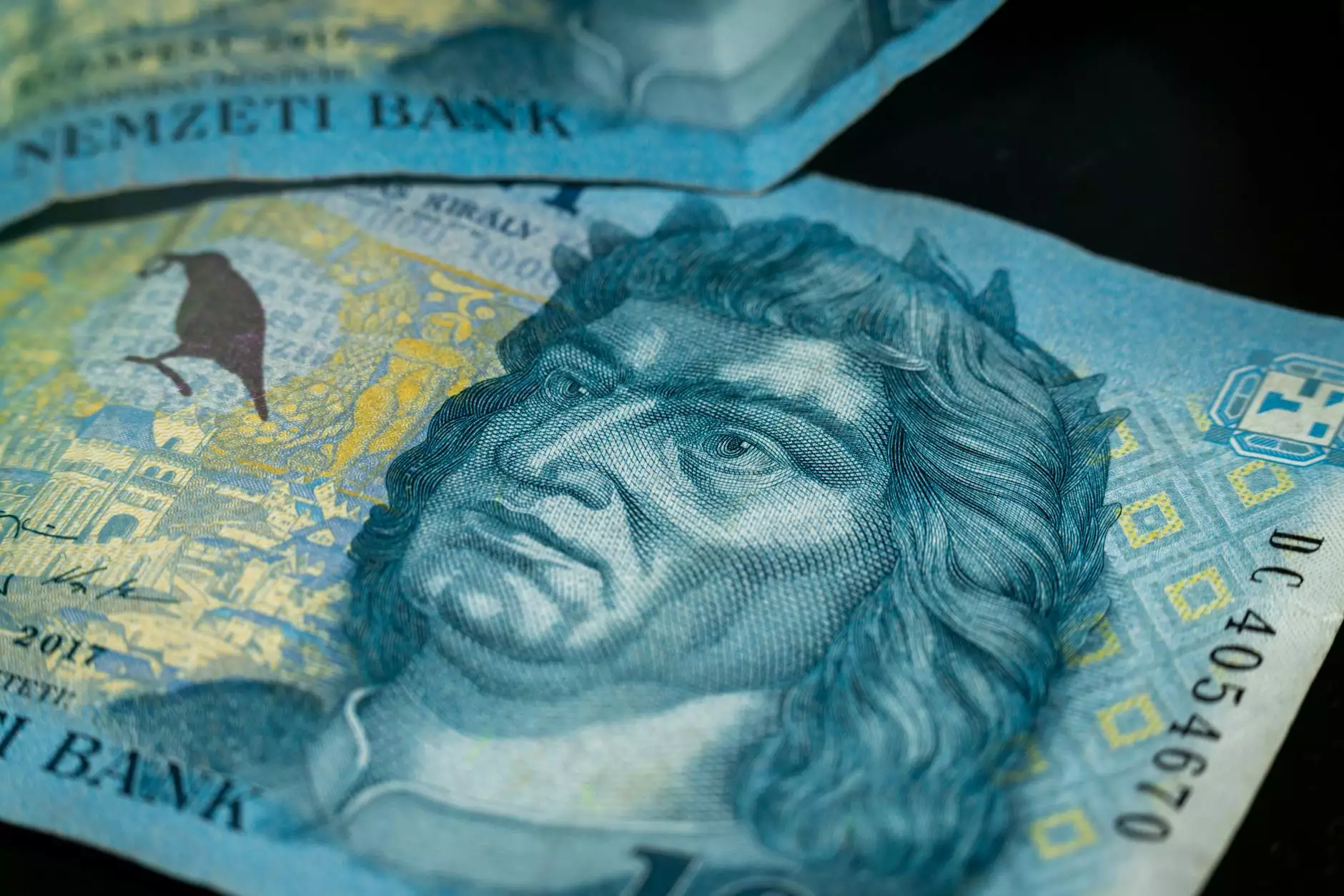
In today's global economy, counterfeit Canadian money poses a significant threat, particularly for businesses in the health and medical sectors. As technology advances, counterfeiting techniques become more sophisticated, which requires vigilant awareness and proactive strategies to combat it. In this article, we will delve deep into the intricacies of this issue, discussing its impacts on businesses and how to safeguard against counterfeiting effectively.
What is Counterfeit Money?
Counterfeit money refers to currency that has been produced without the legal sanction of the state. This illegitimate currency mimics the appearance of legal tender and is intended to deceive individuals or businesses into accepting it as genuine. The production of counterfeit currency is illegal and heavily punished under various laws. Understanding the characteristics of counterfeit money is crucial for business owners, especially in fields that rely heavily on cash transactions.
The Growing Problem of Counterfeit Canadian Money
The prevalence of counterfeit Canadian money has increased, fueled by advancements in printing technologies. The Bank of Canada, alongside law enforcement agencies, is actively working to combat this issue, but it remains a concern for many businesses. In particular, the health and medical sectors, which often transac money in cash, face unique challenges due to the nature of their transactions.
Impacts on Businesses: Health & Medical Sector
Counterfeit currency can severely impact businesses in various ways:
- Financial Loss: Acceptance of counterfeit bills results in direct financial loss for businesses.
- Business Reputation: A business caught unknowingly circulating counterfeit money may suffer damage to its reputation.
- Legal Implications: Depending on the jurisdiction, businesses might be held liable for accepting counterfeit bills.
- Operational Disruptions: Dealing with counterfeit currency can lead to extensive operational issues and require additional training for staff.
Identifying Counterfeit Canadian Money
Being able to identify counterfeit Canadian money is a vital skill for any business owner or employee handling cash. Here are several key features to consider:
1. The Black Light Test
Genuine Canadian banknotes contain a glowing security thread that is only visible under UV light. This is a straightforward method to help verify authenticity.
2. Raised Printing
Authentic banknotes feature raised printing, particularly on the portrait and denomination. Running your fingers over the bill can help you feel these textures, which are absent in counterfeit versions.
3. Watermarks
Each banknote features a watermark that appears when held up to light. This watermark should match the portrait on the bill and can serve as a reliable identifier of authenticity.
4. Color-Shifting Ink
Modern Canadian banknotes utilize color-shifting ink that changes color when viewed from different angles. This feature is challenging to replicate and serves as an effective anti-counterfeiting measure.
Best Practices for Businesses to Prevent Counterfeiting
Businesses, especially in the health and medical sectors, can implement various practices to protect themselves against counterfeit currency:
Educate Employees
Regular training sessions should be conducted to educate staff about the characteristics of counterfeit Canadian money. This will increase overall vigilance and decrease the likelihood of accepting fake currency.
Enhanced Payment Methods
Encouraging electronic payments can significantly reduce the risk of encountering counterfeit bills. Payment methods such as credit cards, mobile payment systems, and digital wallets provide secure transactions that enhance financial security.
Install Quality Detection Tools
Investing in counterfeit detection machines can be beneficial, especially for businesses with high cash transaction volumes. These devices can quickly verify the authenticity of banknotes and help staff identify counterfeit money.
Conduct Regular Audits
Regular cash audits can help in identifying discrepancies early. Businesses should establish a protocol for handling suspicious banknotes and train staff on how to report and manage such incidents.
Legal Aspects of Counterfeit Money
Understanding the legal implications surrounding counterfeit Canadian money is essential for business operators. The Counterfeit Counterfeit Money Act outlines the legal repercussions for using, producing, and distributing counterfeit currency. Businesses found to have knowingly accepted or circulated counterfeit money may face severe penalties, including fines and criminal charges.
Conclusion
In conclusion, counterfeit Canadian money is a significant challenge for businesses, especially in the health and medical sectors. However, through education, investment in technology, and implementation of stringent operational practices, businesses can protect themselves from the risks associated with counterfeit currency. By remaining vigilant and proactive, businesses can safeguard their financial stability and maintain their reputation in the marketplace.
As the landscape of currency continues to evolve, staying informed about the latest counterfeiting techniques and preventive measures will be essential for all businesses. Always remember that an informed staff and robust cash-handling procedures are your first line of defense against counterfeit currency.