Understanding MRI Service Providers
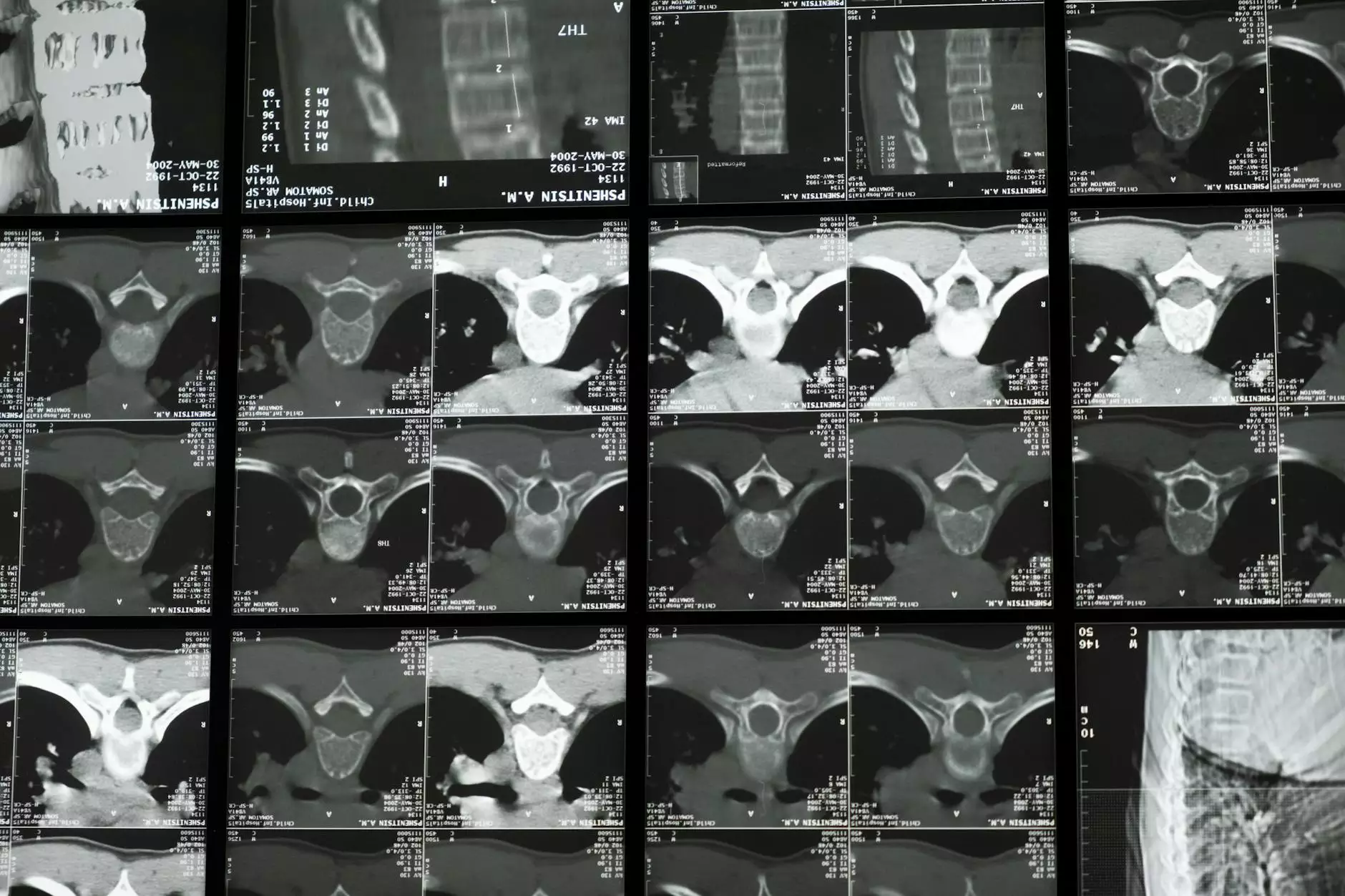
Magnetic Resonance Imaging (MRI) has revolutionized the field of diagnostics in healthcare. As a non-invasive imaging technique, MRI provides critical insights into the human body, assisting healthcare professionals in delivering accurate diagnoses. However, the quality and efficiency of MRI services heavily rely on the expertise of MRI service providers. In this article, we will explore the vital role MRI service providers play in healthcare, their benefits, and how to choose the right one for your medical needs.
The Role of MRI Service Providers
MRI service providers are specialized entities that offer MRI scanning services and interpretation of the imaging results. They operate MRI machines and ensure that the scanning process is performed safely and effectively. The primary responsibilities of MRI service providers include:
- Conducting MRI Scans: Skilled radiologic technologists or radiographers perform the scans, ensuring accurate positioning and adherence to safety protocols.
- Interpreting MRI Images: Radiologists with advanced training analyze the images to provide comprehensive reports to referring physicians.
- Ensuring Quality Control: MRI service providers maintain stringent quality control measures to ensure the accuracy and reliability of imaging results.
- Patient Care: From scheduling appointments to addressing patient concerns, MRI service providers prioritize patient comfort and care throughout the process.
Benefits of Using a Professional MRI Service Provider
Choosing a reputable MRI service provider offers numerous advantages, including:
1. Advanced Technology
Reputable MRI service providers invest in state-of-the-art technology, which leads to enhanced image quality and faster scan times. Advanced MRI machines, such as 3T systems, provide clearer images and better diagnostic accuracy than older models.
2. Highly Trained Staff
Professional MRI centers employ qualified radiologic technologists and radiologists who are trained in the latest MRI techniques. Their expertise ensures that scans are performed correctly and that the resulting images are interpreted accurately.
3. Comprehensive Patient Support
A dedicated MRI service provider understands that many patients may feel anxious about undergoing an MRI. They provide comprehensive support, from pre-scan consultations to post-scan follow-ups, ensuring that patients are informed and comfortable.
4. Quick Turnaround Time
Efficient MRI service providers understand the importance of timely diagnostics. They strive to offer rapid turnaround times for both imaging and reporting, allowing healthcare providers to make informed decisions quickly.
Why Quality Matters in MRI Services
The quality of MRI services can significantly impact patient outcomes. High-quality MRI scans enhance the accuracy of diagnoses for conditions such as:
- Neurological Disorders: MRI scans are critical in detecting tumors, stroke, and degenerative diseases.
- Musculoskeletal Issues: Detailed imaging of joints and soft tissues can reveal conditions like tears, strains, and fractures.
- Cardiac Assessments: MRI is used in cardiology to assess heart function and structure, guiding potential treatment options.
- Abdominal Imaging: MRI can provide detailed images of organs, useful in identifying abnormalities in the liver, kidneys, and more.
Choosing the Right MRI Service Provider
Selecting the right MRI service provider for your diagnostic needs is crucial. Here are several key factors to consider:
1. Accreditation and Certification
Verify that the MRI facility is accredited by recognized bodies such as the American College of Radiology (ACR) or the Radiological Society of North America (RSNA). Accreditation ensures that the provider meets high standards of quality and safety.
2. Location and Accessibility
Consider the location of the MRI service provider. A conveniently located facility can make access easier, especially for patients who may require multiple visits or have mobility challenges. Look for providers that offer flexible scheduling and transportation services if needed.
3. Equipment Quality
Inquire about the technology used at the facility. Advanced MRI machines provide better imaging quality and may offer specialized services like functional MRI or diffusion-weighted imaging for more precise diagnoses.
4. Staff Qualifications
Research the qualifications and experience of the technologists and radiologists at the facility. Their expertise significantly affects the quality of both the imaging and the subsequent interpretation of the results.
5. Patient Experience
Read reviews and testimonials from other patients to gauge their experiences. A provider that prioritizes patient comfort and safety can help alleviate anxiety and provide a more positive MRI experience.
The Future of MRI Services
The field of MRI is rapidly evolving with technological advancements and innovative techniques. Future developments may include:
- Artificial Intelligence: AI is anticipated to play a crucial role in enhancing image analysis, potentially leading to faster and more accurate interpretations.
- Portable MRI Machines: Developments in portable MRI technology could increase accessibility, especially in remote areas or emergency settings.
- Personalized Imaging: Advances in MRI technology may allow for tailored imaging techniques based on individual patient characteristics.
Conclusion
In conclusion, MRI service providers are essential to modern healthcare, offering vital diagnostic services that enhance patient care. Selecting the right provider ensures that you benefit from advanced technology, skilled professionals, and comprehensive patient support. Whether you are a healthcare provider or a patient seeking MRI services, understanding the importance of choosing a reputable MRI service provider is crucial for achieving the best possible outcomes. For top-tier MRI services, consider partnering with Echomagnet Services, where advanced technology and patient care come together to deliver exceptional diagnostic solutions.