Understanding HVAC Systems: The Backbone of Automotive Comfort
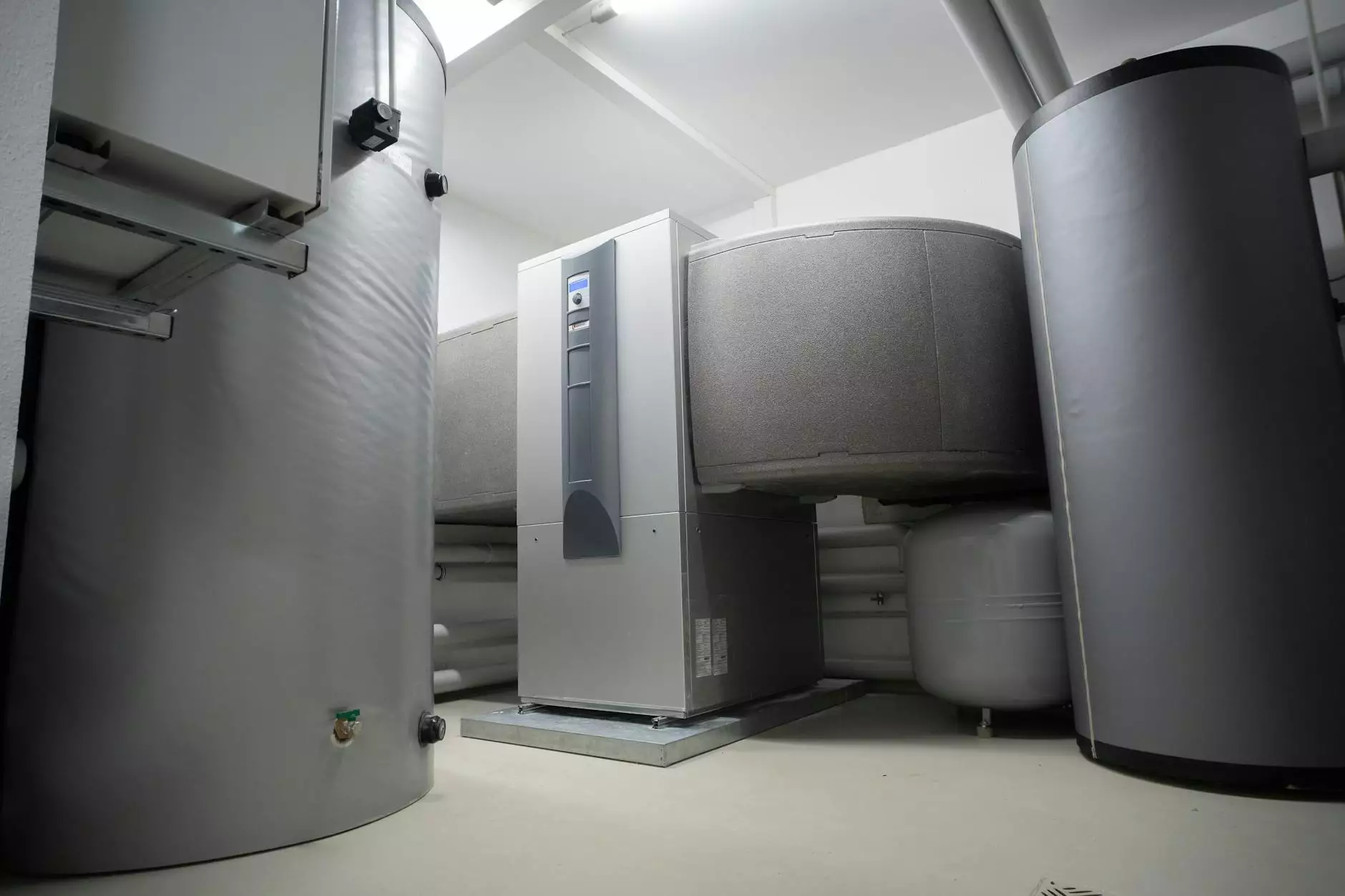
The term hvac sistem is vital to understanding modern vehicle operation. In the automotive world, HVAC refers to Heating, Ventilation, and Air Conditioning, which is essential for maintaining optimal cabin temperature and air quality. This article delves deep into the functionalities, components, and maintenance practices related to automotive HVAC systems, examining their critical role in enhancing vehicle comfort and safety.
What is an HVAC System in Automotive?
An HVAC system in an automotive context is designed to control the environment within the vehicle. It balances temperature, humidity, and air quality for the comfort of drivers and passengers. Here are the main components that make up an automotive hvac sistem:
- Heater Core: A small radiator that uses hot engine coolant to warm up the air before it enters the cabin.
- Evaporator: The component that cools and dehumidifies the air as it passes over it.
- Compressor: A pump that circulates the refrigerant through the system to facilitate heat exchange.
- Condenser: A component that expels heat absorbed by the refrigerant, turning it back into liquid form.
- Blower Motor: Responsible for pushing air into the cabin through the vents.
- Control Panels: Interfaces that allow users to modify temperature settings and fan speeds.
How HVAC Systems Function in Vehicles
The functionality of an automotive hvac sistem can be broken down into various processes:
1. Heating Process
When the heating feature is activated, engine coolant circulates through the heater core. The blower motor pushes air over the heater core, warming it before it enters the vehicle’s cabin. This process provides essential heat during cold weather, enhancing comfort and visibility through defrosting windows.
2. Cooling Process
For cooling, the compressor compresses the refrigerant, which then flows to the condenser, where it releases heat and condenses into a liquid. This liquid enters the evaporator, where it evaporates and absorbs heat from the cabin air, thus lowering the temperature. The cooled air is then circulated back into the vehicle by the blower motor.
3. Ventilation Process
Ventilation is vital for maintaining indoor air quality. The system allows fresh air from outside to enter the cabin while simultaneously removing stale air. This process often involves air filters that trap dust and pollutants, ensuring a clean atmosphere within the vehicle.
Importance of HVAC Systems in Automotive Applications
The significance of a well-functioning hvac sistem extends beyond mere comfort. Here are some crucial benefits:
- Enhanced Comfort: Passengers are more likely to enjoy travel when temperatures and air quality are regulated.
- Improved Safety: Properly functioning HVAC systems help in demisting and defrosting windows, maintaining visibility and safety.
- Engine Performance: Efficient cabin climate regulation reduces the load on the engine, potentially improving fuel economy.
- Health Benefits: Proper ventilation and air filtration can reduce allergens and pollutants, contributing to overall health.
Common Issues with Automotive HVAC Systems
Despite their importance, *hvac sistem* issues can arise, affecting performance and comfort. Here are some common problems associated with automotive HVAC systems:
1. Insufficient Cooling or Heating
One of the most prevalent complaints is inadequate temperature control. This can stem from low refrigerant levels, faulty compressors, or blockages in the heater core or evaporator.
2. Foul Odors
Bad smells from the HVAC system may indicate mold growth in the evaporator or clogged cabin air filters. Regular maintenance is crucial to mitigate this issue.
3. Unusual Noises
Strange sounds, such as squealing or grinding, can signal problems with the blower motor or other components. Ignoring these sounds may lead to severe issues down the line.
Maintaining Your Automotive HVAC System
Maintaining your automotive hvac sistem is essential for ensuring its longevity and efficiency. Here are some effective maintenance tips:
1. Regular Inspections
Schedule yearly inspections of your HVAC system to detect issues before they escalate. Certified mechanics can analyze system performance and recommend repairs or replacements.
2. Change Air Filters Regularly
Dirty air filters can severely impact HVAC performance. Check and replace cabin air filters every 12,000 to 15,000 miles or per manufacturer recommendations to guarantee optimal air quality and system performance.
3. Clear Debris from Vents
Make sure that air intake points are clear of leaves, dirt, and other debris. This will help maintain airflow and efficiency.
4. Recharge Refrigerant as Needed
Refrigerant levels should be checked annually. Low refrigerant levels can lead to inefficient cooling and indicate possible leaks that need professional attention.
Future Trends in Automotive HVAC Systems
The automotive industry is rapidly evolving, and so is the technology behind HVAC systems. Here are two exciting trends shaping the future of automotive HVAC:
1. Integration with Vehicle Electrification
As electric and hybrid vehicles become more prevalent, HVAC systems are being designed to be more energy-efficient. Utilizing heat pump technology, these systems can provide heating and cooling while consuming less energy from the vehicle's battery.
2. Smart Climate Control
Advanced AI-driven climate control systems are on the rise, allowing for personalized comfort settings based on user preferences and optimizing the HVAC system's efficiency in real-time. These innovations could provide significant enhancements in both comfort and energy sustainability.
Conclusion
Understanding and maintaining your vehicle's hvac sistem is essential not just for comfort but also for safety and performance. By acknowledging its components, functionality, and common issues, you empower yourself to seek the necessary maintenance and repairs. As technology evolves, so will HVAC systems, making them more efficient and integral to the overall driving experience. Prioritize HVAC care and enjoy the benefits of a comfortable, healthy, and efficient ride.