Expert Tips for Extending Your Tulip Bloom Season
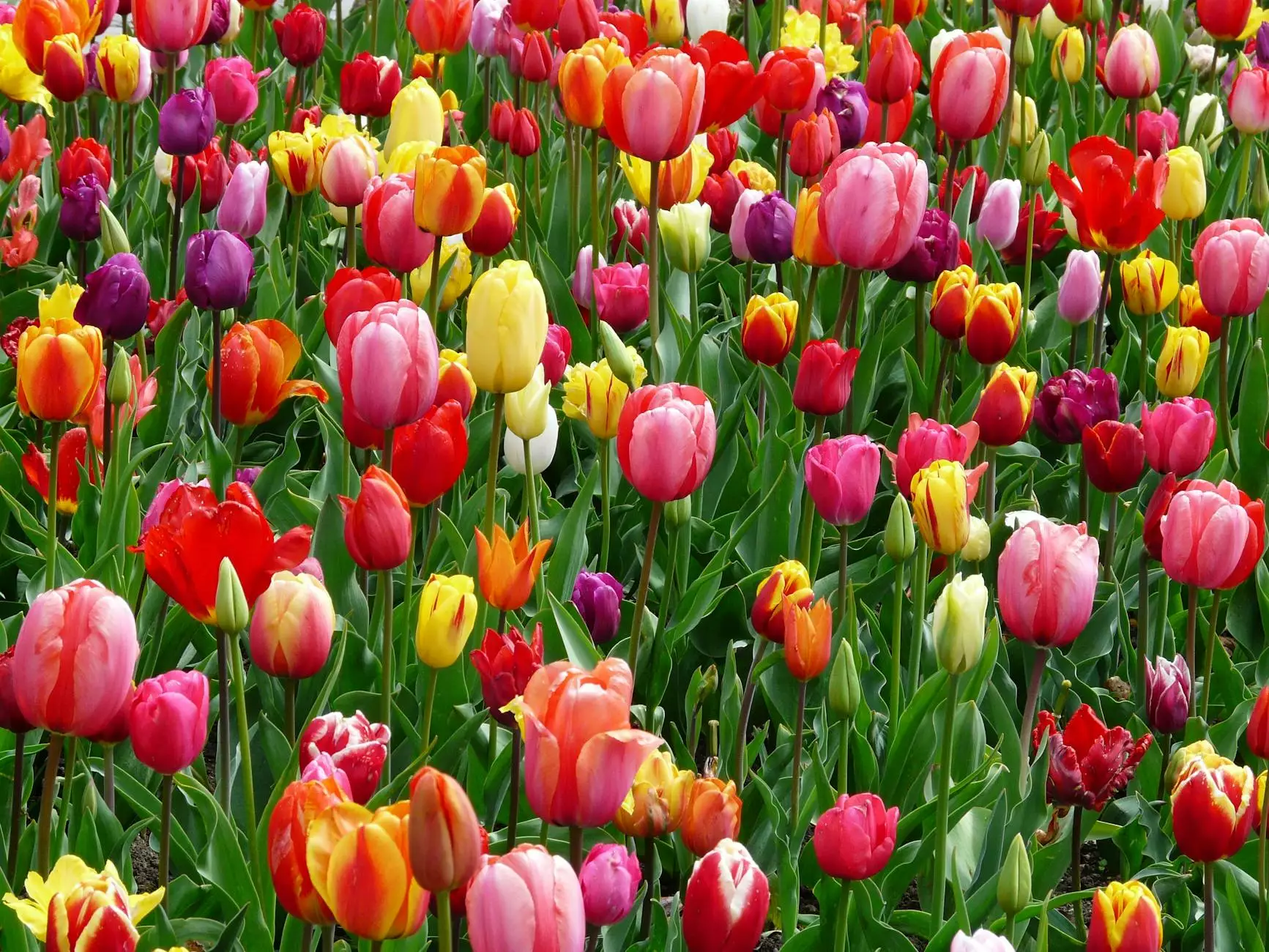
Tulips are among the most cherished spring flowers, known for their stunning array of colors and elegant shapes. However, their bloom season can sometimes feel fleeting. The good news is that with some careful planning and horticultural know-how, you can effectively extend the bloom season of your tulips, ensuring they bring joy to your garden for a longer period. This comprehensive guide outlines the best practices and tips for tulip bloom season extension that will make your garden the talk of the town.
Understanding Tulip Growth Cycles
Before diving into the tips for extending the bloom season, it's essential to understand how tulips grow:
- Planting: Tulips are typically planted in the fall, allowing them to establish roots during the cooler months.
- Emergence: In early spring, tulips emerge from the ground as the temperatures begin to rise.
- Blooming: The bloom period varies, but generally, tulips bloom for 1 to 3 weeks, depending on the variety and environmental conditions.
Choosing the Right Tulip Varieties
The first step in extending your tulip bloom season is selecting the right varieties for your garden. Different types of tulips bloom at various times:
- Early Bloomers: Varieties like Darwin Hybrid and Fosteriana tulips bloom in early spring.
- Mid-Season Bloomers: Types such as Triumph and Fringed tulips peak in the middle of the spring season.
- Late Bloomers: Varieties like Parrot and Peony tulips bloom later in the spring.
Tip: By planting a mix of early, mid, and late blooming tulips, you can create a continuous display of vibrant colors throughout the season.
Proper Planting Techniques
How you plant your tulips can greatly influence their blooming success. Here are some essential planting techniques:
1. Timing is Key
Plant tulips in the fall, 6-8 weeks before the ground freezes. This allows them to establish roots before winter.
2. Soil Preparation
Tulips prefer well-drained soil rich in organic matter. To prepare the soil:
- Test the Soil: Check the pH level. Tulips thrive in slightly acidic to neutral soil (pH 6.0 to 7.0).
- Add Amendments: Enrich your soil with compost or well-rotted manure to enhance drainage and nutrient availability.
3. Planting Depth and Spacing
Plant tulip bulbs at a depth of 6 to 8 inches, and space them about 4 to 6 inches apart to allow for healthy growth.
Enhancing Bloom Duration with Nutrition
Providing the right nutrients throughout the growing season is vital for a prolonged bloom. Here’s how to ensure your tulips get the nourishment they need:
1. Use Fertilizer Wisely
Utilize a bulb-specific fertilizer high in phosphorus, as this element encourages blooming. Apply the fertilizer according to package instructions at the onset of spring when the first shoots appear.
2. Organic Options
If you prefer organic gardening, consider using compost tea or fish emulsion as a natural alternative to chemical fertilizers.
Watering Techniques for Sustained Blooms
Watering is critical for tulip health and bloom duration:
1. Consistent Moisture
Ensure your tulips receive consistent moisture, especially during their active growth phase in spring. However, avoid waterlogging, as this can lead to bulb rot.
2. Mulching
Applying a layer of organic mulch can help retain soil moisture, suppress weeds, and regulate soil temperature.
After Bloom Care
Once your tulips have finished blooming, proper care is essential for future growth:
1. Deadheading
To conserve energy, remove spent flowers by deadheading, but allow the leaves to remain. This helps the bulbs store energy for next year's blooms.
2. Leave the Foliage
Do not cut back the foliage until it has turned yellow and withered. The leaves are crucial for photosynthesis, which nourishes the bulb.
Seasonal Strategies for Bloom Extension
Implementing seasonal strategies can further help in extending your bloom season:
1. Staggered Planting
Consider staggering your planting dates. By planting tulip bulbs in two or three batches, you can enjoy blooms over a more extended period.
2. Forcing Tulips for Indoor Blooming
If you desire tulips earlier in the year, you can force them indoors by chilling bulbs in the refrigerator for at least 12 weeks. Once ready, plant them in pots and allow for blooming in an indoor setting.
Conclusion
By applying these tulip bloom season extension tips, you will be able to enjoy the beauty of tulips in your garden for a considerably longer time. From understanding their life cycle to proper after-bloom care, each step is crucial in helping your tulips flourish and brighten your outdoor space. Gardening is a rewarding endeavor, and with the right knowledge and techniques, your tulips will be a source of pride for many seasons.
For more expert advice and quality tulip bulbs, visit Tulips.co.uk, your go-to source for all gardening needs.