Understanding Blood Clot Leg Pain: A Comprehensive Guide
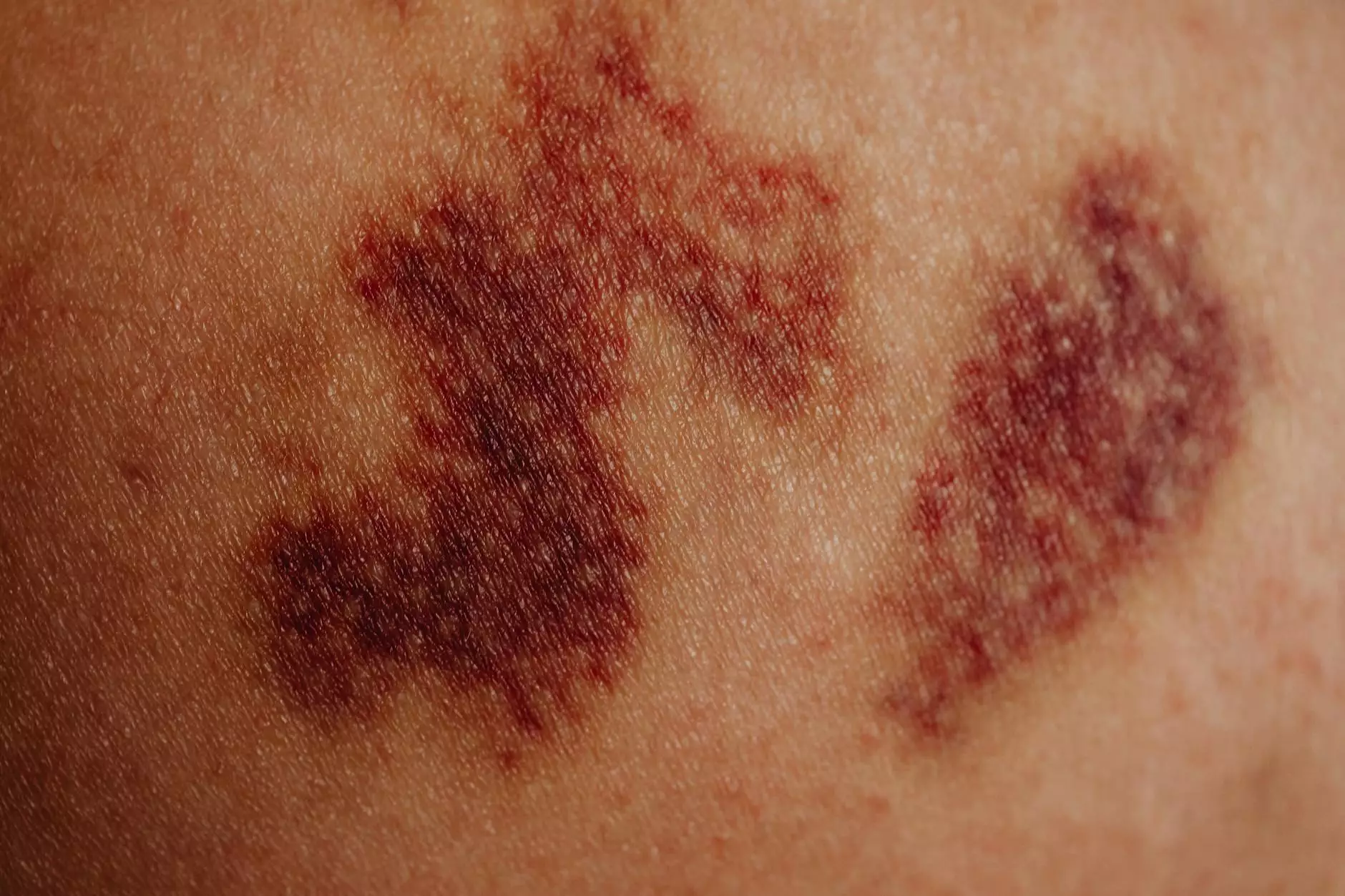
Blood clot leg pain is a critical health concern that affects many individuals globally. It's essential to grasp the complexities of this condition, including its symptoms, underlying causes, diagnostic procedures, and available treatment options. In this guide, we will delve deeply into the intricacies of blood clot leg pain, empowering you with the knowledge to understand and manage this condition effectively.
What is a Blood Clot?
A blood clot is a mass of blood cells that has clumped together, usually as a response to bleeding. While clotting is a natural and necessary process to prevent excessive blood loss, sometimes clots can form inappropriately in blood vessels, leading to serious complications.
Causes of Blood Clot Leg Pain
Understanding the potential causes of blood clot leg pain is crucial for prevention and timely intervention. Below are some common factors that contribute to the development of blood clots:
- Prolonged Immobility: Sitting or lying down for extended periods, such as during long flights or bed rest after surgery.
- Injury to the Blood Vessel: Trauma can damage the blood vessels, triggering coagulation processes.
- Hormonal Factors: Hormonal changes, especially from hormonal therapy or pregnancy, can increase clotting tendencies.
- Medical Conditions: Conditions such as cancer, heart disease, and certain genetic disorders can predispose individuals to clot formation.
- Smoking: This can damage blood vessels and increase the risk of clotting.
Symptoms of Blood Clot Leg Pain
Recognizing the symptoms of a blood clot is vital for early diagnosis and treatment. Common symptoms include:
- Swelling: A noticeable swelling in the affected leg, which may be accompanied by pain.
- Pain: This often presents as a sudden sharp pain or a dull ache, which may be mistaken for a muscle cramp.
- Discoloration: Skin may appear red or bluish in the area of the clot.
- Warmth: The skin around the clot might feel warm to touch.
Diagnosis of Blood Clot Leg Pain
If you suspect you or someone else is experiencing symptoms of blood clots, it is crucial to seek medical attention promptly. Here are the typical diagnostic procedures:
- Ultrasound: The most common test for detecting blood clots, helping visualize clots in the veins.
- D-dimer Test: A blood test that can indicate the presence of an abnormal blood clotting process in the body.
- Venography: An imaging test that involves injecting a contrast dye into the veins, allowing for detailed visualization of clots.
Treatment Options for Blood Clot Leg Pain
Once diagnosed, effective treatment options need to be considered to prevent serious complications such as pulmonary embolism. Below are some common treatment approaches:
1. Medications
Anticoagulants (blood thinners) are the primary treatment for blood clots. These medications help prevent further clotting and reduce the risk of complications.
- Heparin: Often administered in hospitals for immediate anticoagulation.
- Warfarin: A long-term anticoagulant that requires regular monitoring.
- Direct Oral Anticoagulants (DOACs): Newer medications such as apixaban and rivaroxaban offer convenience without needing regular blood tests.
2. Compression Stockings
Wearing compression stockings can help reduce swelling and prevent further clots by promoting blood flow in the legs.
3. Surgical Interventions
In severe cases, surgical options may be necessary:
- Thrombectomy: A surgical procedure to remove the clot.
- IVC Filter: A device placed in the inferior vena cava to prevent clots from traveling to the lungs.
Preventing Blood Clot Leg Pain
Preventing the occurrence of blood clots is vital, especially for those at higher risk. Here are some preventive strategies:
- Stay Active: Regular movement and exercises can improve circulation, reducing the risk of clot formation.
- Hydration: Staying well-hydrated can diminish blood viscosity, making clot formation less likely.
- Avoid Smoking: Quitting smoking significantly lowers the risk of vascular complications.
- Manage Medical Conditions: Effectively managing underlying health conditions is crucial in preventing clots.
Conclusion
Understanding blood clot leg pain is critically important for early detection, effective treatment, and prevention. With timely intervention and proper management, individuals can overcome the challenges posed by blood clots. Always consult a healthcare provider if you suspect you have a blood clot or experience any concerning symptoms.
For more expert guidance and care, visit Truffles Vein Specialists, where our dedicated team specializes in vascular medicine, ensuring you receive the best treatment possible for your vascular health.