Counterfeit Currency for Sale: The Ultimate Guide to Cloned Cards, Fake Money, and Cash Flipping
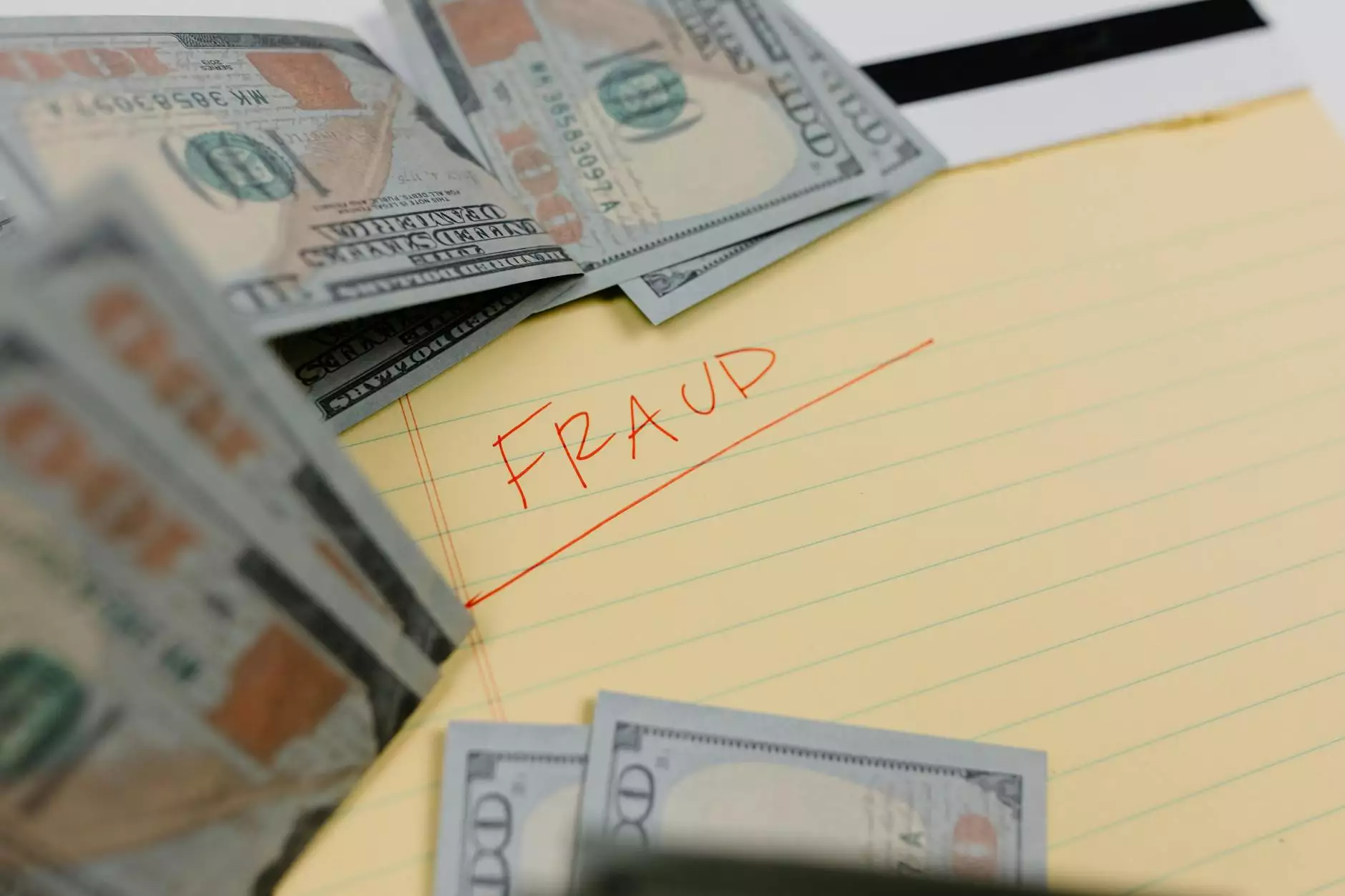
In today's digital and physical economy, the demand for high-quality counterfeit currency for sale has surged, driven by various factors ranging from technological advancements to the lucrative opportunities presented by illegal markets. While many view counterfeit money and cloned cards as illicit activities, understanding how this industry operates, including the techniques and products offered, provides valuable insight into its scope and implications. This comprehensive guide explores the world of counterfeit currency for sale, shedding light on related categories such as cloned cards, fake money, and the popular practice of cash flipping.
Understanding the Industry of Counterfeit Currency for Sale
The industry around counterfeit currency for sale is complex, highly sophisticated, and often shrouded in secrecy. It involves the production, distribution, and exchange of fake money which closely mimics legal tender. This industry caters to a diverse group of clients who seek to manipulate financial transactions, avoid taxes, or exploit loopholes in monetary systems.
The Evolution of Counterfeit Money Production
Historically, counterfeit currency was created manually with rudimentary tools, but modern technology has revolutionized this process. Today, cloned cards and high-quality fake money are produced using advanced printing techniques such as offset printing, microtext, UV features, and holograms. These methods enable counterfeiters to produce bills that are indistinguishable from genuine currency, making detection challenging even for trained professionals.
Why Is There a High Demand?
- Ease of Use: Fake money and cloned cards can be used in everyday transactions, providing quick access to funds without traditional banking routes.
- Cost-Effectiveness: For criminal enterprises, counterfeit currency offers a lucrative means to generate illicit profits with minimal initial investment.
- Online Marketplaces: Platforms like buyclonecards.com make acquiring counterfeit products accessible to a global audience, fueling the demand.
- Emerging Markets: Countries with unstable currencies or limited banking infrastructure are particularly vulnerable to counterfeit operations.
Categories of Products in the Counterfeit Currency Industry
The core products available in this niche are diverse. Understanding these categories is crucial for anyone interested in the scope of this industry.
Cloned Cards: The Digital Frontier of Counterfeit Goods
Cloned cards refer to physical or digital credit and debit cards created to imitate genuine bank cards. These cards often contain encoded magnetic strips or chips replicating legitimate card data, enabling users to conduct unauthorized transactions. Cloned cards are frequently used in cash flipping schemes and other financial manipulations.
Fake Money: Counterfeit Bills of All Denominations
Fake money comes in various denominations, from small bills to high-value currency, designed to pass as real in everyday transactions. These bills incorporate features like microprinting, watermarks, UV security threads, and holographic images to mimic authentic currency. Top-tier counterfeit bills are so convincing they require professional equipment to distinguish from legal tender.
Cash Flipping: An Illusory Investment Opportunity
Cash flipping is a fraudulent scheme where individuals are promised quick monetary gains by flipping fake or manipulated cash. Though appealing in its perceived simplicity, cash flipping relies heavily on the circulation of counterfeit currency and fraudulent promises of high returns. This practice perpetuates the illegal trade and undermines financial systems.
How Cloned Cards and Fake Money Are Used in Business Operations
The intersection of cloned cards and fake money creates a fertile ground for various illegal activities. Businesses, both small and large, may encounter counterfeit transactions, which can lead to significant financial losses and legal complications.
Payment Fraud and Card-not-Present Transactions
Cloned cards are instrumental in executing unauthorized purchases online or via card-not-present transactions. Criminals utilize cloned card data to simulate legitimate transactions, often resulting in chargebacks and loss of revenue for merchants.
Money Laundering and Illegal Cash Circulation
Fake bills are frequently used in money laundering schemes, allowing illicit funds to be introduced into the economy covertly. Businesses involved in accepting counterfeit cash unintentionally facilitate this process, highlighting the importance of vigilance and detection technology.
Market for Counterfeit Currency and Cloned Products
Online platforms like buyclonecards.com host a thriving marketplace for counterfeit products, including cloned cards and fake money. These marketplaces operate in a gray zone, often hiding behind encryption and anonymous servers, making regulation and enforcement challenging.
The Legal and Ethical Considerations
Engaging with or purchasing counterfeit currency for sale is illegal in most jurisdictions. It undermines the integrity of financial systems, promotes criminal activity, and can result in severe penalties. While understanding this industry is important for security and detection purposes, active participation carries significant legal risks.
Legal Implications
- Possession, distribution, or sale of counterfeit currency is classified as a criminal offense.
- Most countries impose hefty fines and imprisonment for such activities.
- Engaging with illicit marketplaces can expose individuals and businesses to scams, malware, and fraud.
Ethical Concerns
Using or facilitating counterfeit currency erodes trust in financial institutions, damages businesses, and harms consumers. Ethical business practices should always promote transparency and legality, avoiding involvement with counterfeit activities.
The Business of Counterfeit Currency: Risks and Rewards
Despite its illegality, some entities see economic opportunity in the counterfeit currency industry. From a business perspective, certain aspects attract entrepreneurs aiming to capitalize on this shadow market.
Risk Management
- Legal risk: Facing criminal charges and financial penalties.
- Reputation risk: Being associated with illegal activities can damage personal or business reputation.
- Operational risk: Detection technologies and law enforcement actions are continually improving, increasing the risk of exposure.
Potential Rewards
- High profit margins from selling high-quality counterfeit products.
- Market demand driven by criminals seeking anonymous transactions.
- Opportunities to expand into related illegal markets, such as digital hacking and scam operations.
How to Detect and Protect Against Counterfeit Currency
Knowing the signs of counterfeit currency and cloned card usage is essential for businesses, financial institutions, and consumers. Implementation of advanced detection tools, staff training, and vigilance can significantly mitigate risks.
Features to Recognize Genuine Currency
- Microprinting that is clear and sharp rather than blurry.
- UV features that fluoresce under ultraviolet light.
- Embedded security threads and holograms that change with angle.
- Watermarks that are visible when held up to light.
- High-quality printing with consistent ink application.
Tools and Technologies for Detection
- UV light scanners and magnifiers.
- Currency authentication pens.
- Counterfeit detection machines with multispectral imaging.
- Regular employee training in recognizing counterfeit bills and cloned cards.
The Future of Counterfeit Currency and Cloned Card Markets
Technological innovation continuously shapes this clandestine industry. Advances such as AI-driven printing, blockchain-based verification, and biometric security features in financial transactions are redefining the landscape. Meanwhile, law enforcement agencies intensify efforts to combat counterfeit markets, aiming to disrupt supply chains and apprehend key players.
Conclusion: Navigating the Risks and Realities of Counterfeit Currency for Sale
Counterfeit currency for sale remains a pervasive issue with significant legal, ethical, and economic implications. From cloned cards to fake money and cash flipping schemes, this industry capitalizes on vulnerabilities within financial systems. While the allure of quick profit may tempt some to engage, the risks far outweigh any potential rewards.
For legitimate businesses, investors, and consumers, awareness and preventative strategies are essential. Technology-driven detection methods, ongoing education, and adherence to legal standards ensure better protection against counterfeit threats. Ultimately, promoting transparency, legality, and responsible commerce upholds the integrity of our financial ecosystem.
Explore trusted resources and stay informed about evolving threats and solutions at buyclonecards.com, your source for insights into the shadowy world of cloned cards, fake money, and counterfeit currency markets.



